
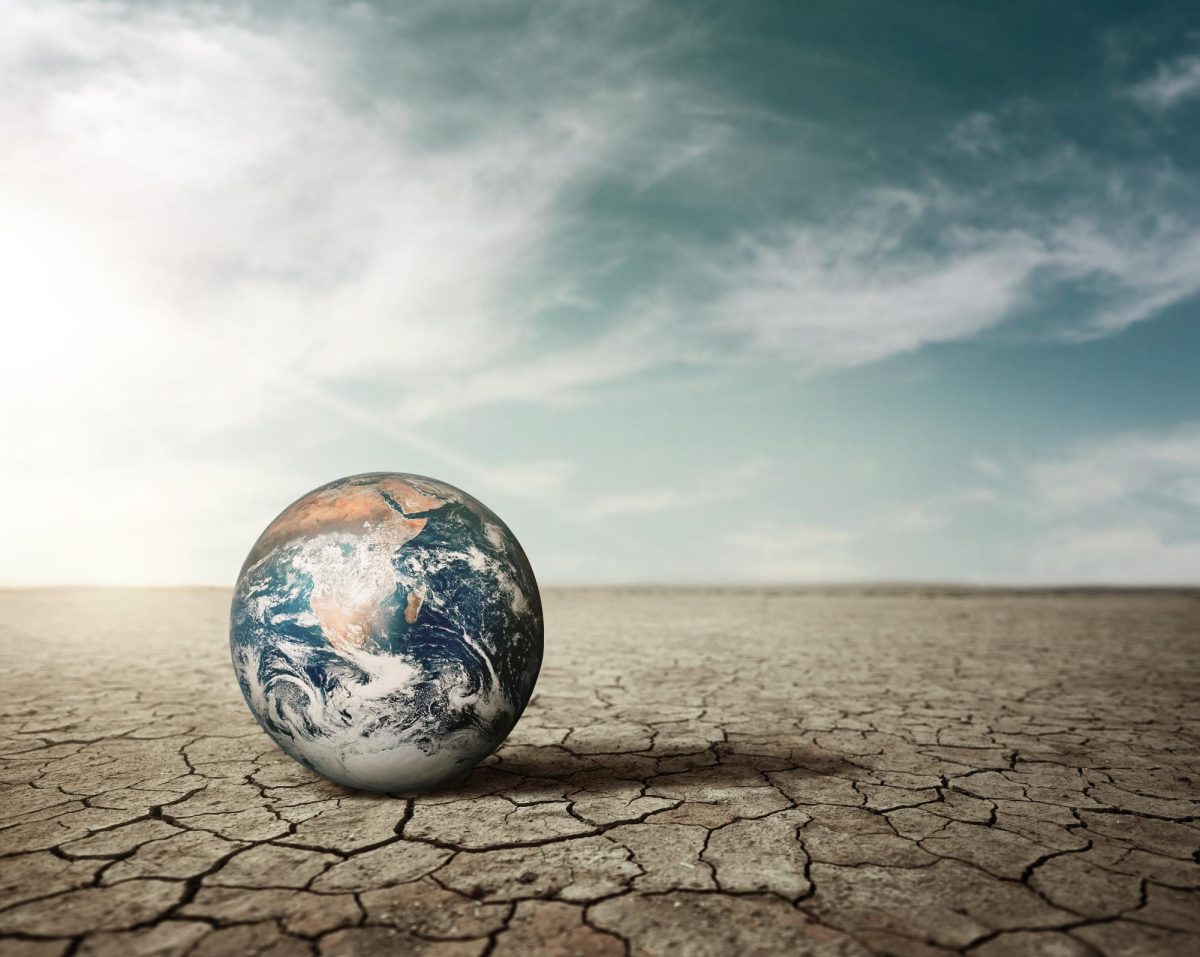
2025 will be a year to remember, as the world’s climate reached its “tipping point”. Deathly heat waves, floods, and wildfires took over continent by continent, and have shown everyone that climate change is a real, present-day concern. Scientists from the The United Nations (UN) and the National Aeronautics and Space Administration (NASA) have identified 2025 as the “tipping point year” when the effects of man-made warming began to intensify.
Record temperatures scorched the large swaths of the Northern Hemisphere. Thousands of people had to leave their homes due to fires in Spain, Greece, and Italy, brought on by the 45°C temperatures in Europe. While cities in Asia, including Beijing and Delhi, also saw their highest temperatures ever recorded.
Massive heat domes also swept the American West, straining the electrical grid and causing drought. NASA is forecasting that this year will be in the top three warmest years on record for sea surface temperatures around the world. Catastrophic floods have also threatened East Africa and South America, leaving damaged crops and homes behind.
Scientists with the World Meteorological Organization (WMO) have stated that phenomena, such as heat waves, floods, and storms, are now twice as destructive as in past generations. In California, rain fell off-season, following a number of months without rain, creating landslides and clearly exemplifying how unpredictable weather patterns have become in that state. Climate science also clearly demonstrated rain had fallen on parched land that was familiar with such bombardment. Extreme temperatures and erratic rainfall, alongside drought, again, have also flattened populations due to influx, many being uprooted from their homes following devastation and changes in ecosystems.
Our own communities are also suffering from global warming. The elderly and impoverished communities experience extreme heat as the biggest contributor to weather-related sources of death across the globe today (UN Office for Disaster Risk Reduction). Cotton farmers in the American Midwest, and their counterparts in sub-Saharan Africa, are dealing with early declines in yields associated with droughts and erratic rain, while Pacific island nations are yet to see rising seas create any threat. Economic activities lost in 2025 to climate disasters have been estimated to affect more than $200 billion globally, according to the International Panel on Climate Change.
Experts are warning that the world is racing toward a number of tipping points in its climate. Thawing of the ice sheets of Antarctica and Greenland is increasing sea levels, coral reefs are near collapse, and the Amazon rainforest’s carbon sequestering capacity is falling. NASA climate scientists are pointing out that, if global warming continues at the pace it is occurring, the Earth’s mean temperature would be 1.5°C higher than preindustrial levels within only five years, a milestone reached by the Paris Agreement.
As high-stakes as these aspirations have been, specialists find hope. Stringent emissions restrictions, use of renewables, and international cooperation can slow the pace of warming. Climate scientists also call for a step-up in adaptation efforts, enhanced disaster risk readiness, climate-resilient infrastructure, and accessible and affordable climate finance to developing nations.
For students studying such occurrences, scientists claim 2025 is yet another harsh reminder that climate change is a human concern rather than a scientific phenomenon. Each flood, each fire, and each heatwave has an energy, policy, and justice dimension to it. The climate is fighting back, but it’s how the reaction occurs that will decide the planet’s destiny.