
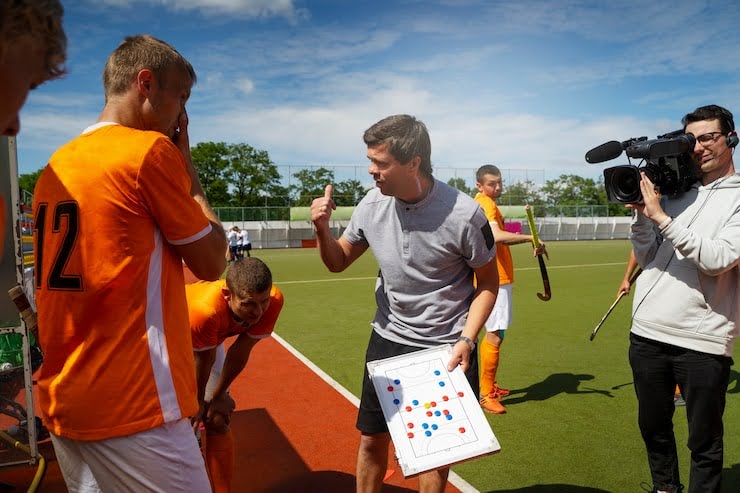
Student athletes in high school do not treat sports just as an extra-curricular but rather as an aspect of their life that is very important to them personally. This is especially true considering colleges are recruiting students for their athletic ability.
There is a lot of competition among the colleges trying to recruit them. Because of this competition, many student athletes are under a great deal of stress and pressure to excel in both academics and athletics.
While recruiting them to play collegiate sports, this creates a significant amount of stress. Today, coaches at the collegiate level start to assess athletes sooner, often before they get into high school.
Additionally, athletes looking to gain visibility from college coaches tend to participate in showcase events, camp and club tournaments as a form of exposure.
While these types of activities allow athletes to showcase their abilities, they also contribute to the idea that every game, tournament, and showcase carries significant weight in relation to an athlete’s ability to play at the collegiate level.
An athlete’s future career may hinge on one factor: a single injury, poor game, or a mistake can greatly affect a player’s path. A varsity athlete on our very own girls soccer team anonymously said “There[‘s] always this feeling that someone could be watching,”
and “I feel like I can’t afford to have a bad game because it might change how coaches see me.”
One of the most challenging aspects of being a student-athlete is balancing schoolwork and athletics. Most student-athletes practice, engage in strength training and play games for several hours every day.
In addition, many student athletes travel and compete on weekends, leaving little or no time for rest or schoolwork. This type of demanding schedule can create tiredness and make it very difficult for student-athletes to keep pace with their assignments and exams.
Coach Diego, our Girl Varsity Soccer coach, shared insight on how demanding the recruiting process can be. “Being recruited is almost like having a full time job,” the coach said, “Athletes are training constantly, staying in contact with college coaches, and trying to keep their grade up. Without balance, it can quickly become overwhelming.”
The advent of social media has transformed recruiting methods. With the availability of social media sites, platforms like Instagram, Hudi, and X allowed athletes to showcase their playing ability and provide their statistics for College Coaches.
While this feature has the potential to increase the number of people that see your athletic abilities, it can also place athletes under constant pressure to perform at the highest level and to produce the best content consistently.
Additionally, athletes can now easily compare themselves to others, leading to potential damage to their self-esteem, and more stress due to the constant comparison.
In recent years, many student-athletes have been identified with mental health issues. Many student-athletes feel anxious about their performances, are afraid of being injured, and feel pressure from the expectations of others.
Injuries can add to these feelings of anxiety because they can delay an athlete’s chances of being recruited or lead to a reevaluation of their goals as athletes. In addition many athletes are beginning to understand their definition of success.
Including more than just participating in collegiate athletics at the Division I level there are numerous opportunities available to them throughout college levels, such as Division II, Division III, junior college and more.
Although there will be continued evolution in how college athletics recruits, pressure continues to be a major concern for high school student-athletes.
Focusing on their health, both physically and emotionally, academic success and passion for their given sport will allow student-athletes to be able to manage the recruiting process and continue to love the game that inspires them.