
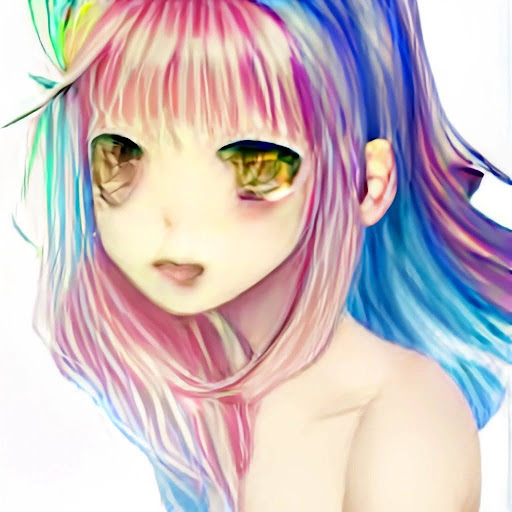
From the advertisements on the street, social media posts, and even the posters at Los Osos, AI art has appeared over and over again. They’re smoothly polished, often contorted, and most importantly, made instantly with a click of a finger.
As artificial intelligence has bloomed since late 2022, uncertainty only grows among artists. What exactly has happened to creativity? While many have brushed off this technological shift, AI art is much more dangerous than anyone has expected.
Why is it so bad exactly? People generate AI images about 34 million times a day.
Roughly 1.4 million images per hour and 23,333 images every single minute. This hurts the environment horribly, as data centers feed on electricity, and that electricity is being made from carbon-emitting resources.
This ultimately costs tons of energy and water needed to train these bigger models in data centers, contributing to much more pollution. It additionally rids so many of employment and lessens so much interaction between person to person.
When asked if she personally knew how deadly AI art has been to the environment, freshman Tiffany Su responded, “Yes, I do know. The most commonly known effect is the waste of water and energy. Generative AI needs to be powered by a large amount of electricity, which can lead to increased CO2 emissions. Also, people rarely mention the fact that the only way AI can ‘create’ art is through illegally stealing from other artists. In my opinion, art should only be created with emotion and creativity. It’s better to stop now than later.”
Despite its popularity, AI in art is no new trend. Back in 2020, AI art was still able to be generated; however, these images weren’t the same as the ones so many are used to seeing today.
These images were confusing, often looking almost scary with the distorted colors and blurred lines. Moreover, these images took minutes to generate, unlike the instant ones that people are so accustomed to today.
When asked how often she’s seen AI art in the past week, freshman Aliana Gao responded with, “I think I’ve already seen five to ten-ish pieces. I look on Pinterest for many art references, so that means I’ll be exposed to more art in general, but there have been so many more pieces of AI art that aren’t labeled and are trying to pass off as human-made.”
While one may argue that creativity isn’t as essential as it once was, this isn’t the only notion we should be concerned about. AI art requires a vast amount of data and also comes with high costs in terms of energy, human labor, and carbon emissions. Even worse, the data that AI often takes has been scraped from the internet—taken from various people who never consented to the use.
Moreover, as most are aware, AI art is often filtered to not generate anything sexual, violent, hateful, etc. However, to filter these topics out, low-paid workers are often used. As such, this phenomenon has been occurring far too much in the workforce. Brands like Urban Outfitters, Zara, and SHEIN are all notorious for underpaying their workers, and even further, their ethics are incredibly questionable.
Despite these procedures that AI companies claim to use, various things still get past the filters. By using different keywords and descriptions, some of these generated images can still make an appearance.
Similarly, with YouTube around the 2010’s, by typing emojis or specific letters in a certain order, you would watch videos with cheap horror, gore, and even as far as violent beatings from the Mexican cartel. These videos all got past YouTube’s guidelines for one reason—and that was the inability to be properly processed and filtered out due to the strange search key.
This occurrence not only traumatized thousands of younger, oblivious audiences, but it also damaged their childhood. Yet, once again, this inappropriate exposure is becoming easier to fall into with the sheer amount of AI art being just as easily accessed as it is generated.
With the stark rise in AI-generated art, companies are in fear of not keeping up with its overwhelming popularity and, as such, are using more and more of these images despite the huge number of artists worldwide who could just as easily draw or paint these ideas for a low cost.
Unfortunately, artists often don’t get taken as seriously as people with jobs in finance, technology, etc. The need for artists is a perfect opportunity for them, yet people will still go to technology for something that should be drawn from a human hand.
Drawings like the chalk art displayed in front of so many stores are much healthier for the environment and can even make the community more together with the use of ideas and collaboration.
Even more so, this art is often so much prettier than the bland and wacky images that AI art creates. There’s no style as it isn’t drawn by hand, and it lacks any creativity, generating simple or often ridiculous images.
However, companies would much rather do this despite the risks,and as people continue to become exposed and accustomed to it with its excessive use, the green in our trees and grass only become more dead.