
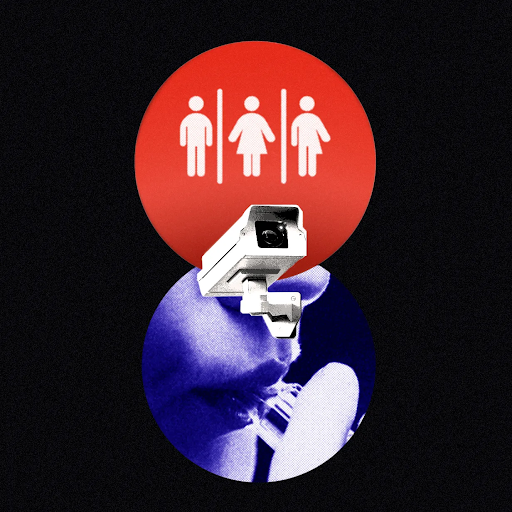
Throughout the U.S, school administrators face a rising issue: vaping among teens. At first, it mainly took place off campus; now it’s popping up in corridors, learning rooms, and most often bathrooms. In response, numerous schools have started setting up alarms that sense vape fumes and notify teachers right away.
Supporters of this new technology argue these gadgets tackle a growing issue by acting like vape-specific smoke alarms. Since they detect traces of nicotine or THC, warnings go straight to staff the moment something’s found. A few schools report less vaping since putting them in, saying the alerts make kids think twice before trying.
Still, tools built to keep kids safe are sparking fresh worries over personal privacy. To many students, bathrooms are among the few spots where they can be alone at school; now that quiet space feels monitored. Although these devices don’t capture sound or images, certain versions detect shifts in air quality or connect to cameras mounted near doorways.
This is why lots of students think they’ve got less room to breathe. Moms and dads stress about it, so do educators, who question whether watching kids closer truly solves the root causes behind vaping. Catching someone mid-puff might help short-term, yet it skips the part about why they started at all.
Teens tend to pick up vaping for reasons similar to grown-ups- pressure from friends, feeling stressed, dealing with worry, or just wanting to try something new. Lots of kids say it’s common no matter where you go, like at lunch, during practice, or chilling after class. When schools don’t pay attention to what’s really driving the habit, they risk treating symptoms without touching the root issues.
Some experts say keeping an eye on things works best when paired with help from others. Instead of just rules, schools might provide chat sessions where students speak up, learn about their well-being, or ask questions without fear. When teens use vapes a lot, it’s usually tied to deeper issues, things like inner battles or reliance that discipline won’t fix.
On top of that, culture had a hand in how fast vaping caught on with younger crowds. Thanks to sweet flavors, flashy designs, and slick ads at the start, lots of kids got the idea it was cool, or even safe. Right now, plenty of teenagers still see it as less risky than cigarettes, or figure it calms their nerves when school gets overwhelming.
Students are talking more since vape alerts have spread. Schools want everyone protected, yet learners still need space, particularly where it’s supposed to be private. When watching never stops, youth might start thinking that being checked on nonstop is normal later in life.
Vape detectors might cut down on bathroom use, yet still fall short alone. True progress tackles smart rules, real care, plus open talks with teens caught up in it. For young users, this isn’t only about defiance; instead, it’s a mix of social habits and well-being needing insight, not just alerts.