
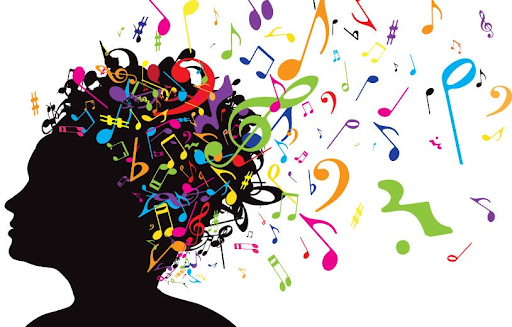
Over the years, music has developed so much, with various genres like pop, rock, rap, country, and many more subgenres. While we as a society typically pay attention closely to music , the influence music has is much more powerful than people have been led to believe.
Music is a topic many love talking about because of its uniqueness to each individual, like Zodiac signs or your favorite foods, people’s music taste is just the same; we all love and hate certain genres and artists. This is exactly what makes music such an easy topicc to discuss. Everyone has a differing opinion; we tend to find at least one artist or genre that we share a similar love or hate with someone else. Whether it’s incredibly loud metal like Iron Maiden or soft jazz like Laufey, we all love something. However, do the lyrics, tone, and overall music truly affect our day-to-day lives?
When you listen to music in a genre based on your current mood, you’re likely to stay in that mood; however, if you switch to music that matches a more desirable mood, you are likely to begin feeling that way even if you weren’t intending to do so.
Moreover, to show this, Freshman Emily Acosta said, “When I listen to music, I feel like I’m in a good mood. Certain genres, like if it’s sad music, then I’m going to feel sad that day, so I think the type of genre affects how you feel.”
Music therapy has proved to be a good, promising, and safe way for individuals to heal from trauma. Music can decrease stress levels and even improve functioning in severely depressed people, depending on what’s playing as said by the National Institutes of Health.
With stress and mental health problems quickly becoming a major problem in health, music can help to reduce stress and overall make you feel better.
Furthermore, music can help reduce stress, a beneficial tool for reducing school stress. According to John Hopkins Medicine, music promotes changes in the brain, such as the release of serotonin and dopamine, also known as the “happy hormones. These chemicals control what makes us feel happiness, pleasure, and calmness, which overall changes our mood. Serotonin specifically also helps stabilize our emotions, which leads to reduced stress and feeling calm or centered.
=, Senior Makayla Matito uses music to cope with stress about exams, friendships, or even personal issues. She said, “A lot of the music I listen to is very upbeat, so honestly, it changes my mood because if I’m stressed, it acts as a distraction.”
Music can do a lot for a person; it can make you tap into a nostalgic memory, improve focus, lower your heart rate, motivate you, and so much more. Active listening is fully engaging with the music—tuning into the melody and lyrics. Over time, practicing this deep listening can even improve personal relationships, as it helps reinforce our capacity to tune in to others.
On the other hand, purposeful passive learning involves choosing music to help you focus on the task at hand without focusing on it. This kind of listening causes the brain to go into the default mode network, the system that activates during daydreaming. Music, when used for background noise, becomes a bridge between tasks and a subdued system for imaginative work.
Overall, music isn’t simply something we hear; it’s something that our brains are constantly being shaped around. When used with intent, music becomes powerful. Whether it’s for focus, improvement, creativity, or to make connections with others. In a world full of so much noise, it’s not always about turning the music off. It’s about tuning in and knowing exactly what you want in life—and your music that can help set the right mood for that.