
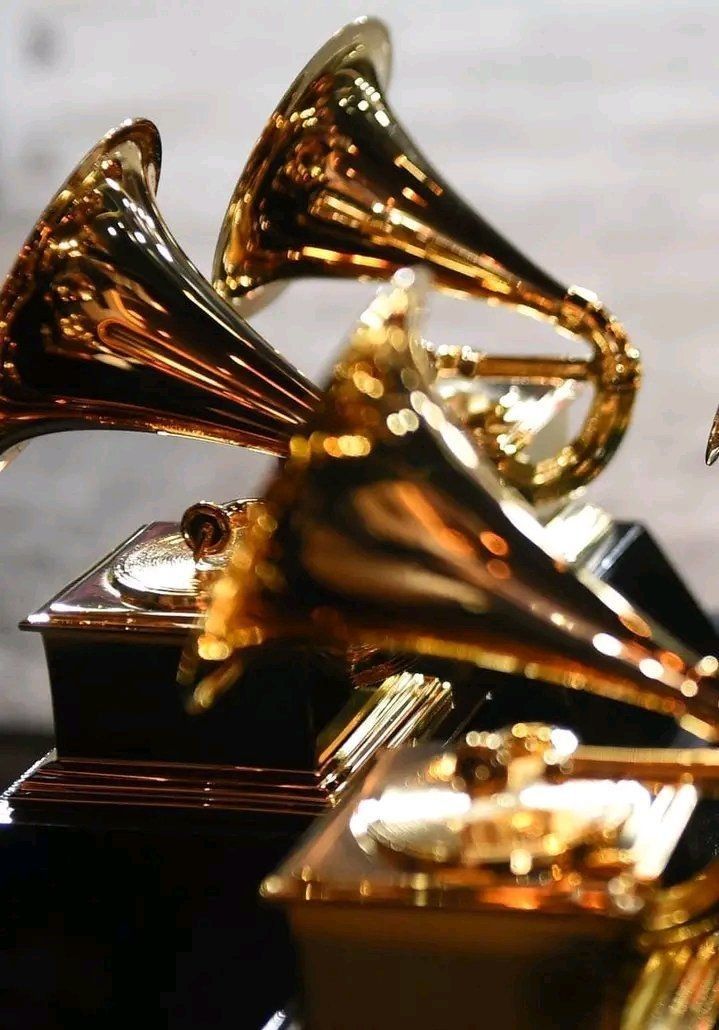
Each year, the Grammys flood feeds, screens, and chats worldwide. Dressed in daring styles, performers step onto the red carpet while listeners debate winners before speeches spread fast online. For most musicians, holding a Grammy feels like reaching the peak. Regardless, doubts have grown about its real importance lately.
Music at the Grammys sometimes takes a backseat. Fashion walks in first, followed by flashing cameras and whispered gossip. What people talk about most often isn’t the songs – it’s what stars wear, who argued, and who smiled too wide.
Spotlight lingers longer on glittering gowns than on guitar solos. Attention sticks to spectacle, not sound. Recognition of skill fades behind layers of makeup and media spin.
Every now and then, past oversights come up again, Cases where fans and reviewers often thought certain well-regarded musicians should’ve taken home top honors, yet they didn’t. While familiar names collect trophy after trophy, doubts grow about whether the process treats everyone equally.
Those who decide, the Recording Academy members, don’t lay out exactly how choices unfold behind closed doors. Without clear insight into voting, belief in the outcome begins to fade.
Young listeners might wonder where their music went – Senior Max Rellinger notices it’s missing from Grammy playlists. A student here, at Los Osos, finds the awards out of step with real listening habits. Not every hit song makes waves onstage; some never even get nominated.
Behind closed doors, decisions lean toward established figures rather than fresh voices. Fame built years ago often wins over today’s viral tracks. Big budgets and long careers tend to open doors at award time.
The event acts like its own bubble, separated from daily streaming choices. Rellinger points out that popularity online does not guarantee recognition there. Music loved by teens rarely climbs those red carpets.
Support within the business matters far more than fan numbers. What plays everywhere else doesn’t seem to count when trophies are handed out.
Cash changes how music gets noticed. Big companies spend heavily when trophies are handed out. They buy space on screens, fill news cycles, shape opinions quietly.
Yet some voices still slip through the cracks, powerful work by those without backing. It feels less pure once budgets start deciding who wins.
For Senior Adrian Huerta, a different take isn’t really needed; he sees things like others do. The awards, he figures, follow money more than merit. Online spaces pulse with strong new sounds, yet the spotlight stays fixed elsewhere, on familiar names, big labels.
Platforms reshape how fans find songs, sure. Still, the ceremony moves slowly, caught in older rhythms. What’s next doesn’t always show up on stage.
Still, a few people believe the Grammys hold weight. Landing might lift an artist’s path, opening doors they hadn’t walked through before. Sales often climb after the win, shows grow larger, and voices gain stronger echoes.
Fresh faces feel the shift especially, they are suddenly seen, suddenly heard.
Maybe the Grammys matter still, yet calling their choices the ultimate truth about great music misses the point. Music hits each person differently. A track that stirs someone might leave another cold.
Sure, those awards often highlight celebrity and backstage deals. Still, for younger fans especially, true worth isn’t found in gold-plated statues. It lives in how a melody feels at 2 a.m.. Or how a chorus drags an old moment back into your chest.