
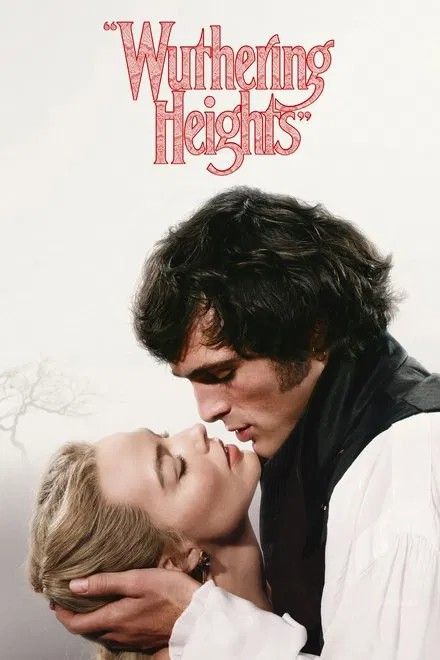
With the recent release of “Wuthering Heights”, the casting of top actors Margot Robbie and Jacob Elordi became the catalyst for widespread controversy among fans of both film and literature.
“Wuthering Heights”, an Emily Brontë novel, is known for its dark, emotional intensity and deeply flawed characters. Knowing the emphasis of historians and Victorian themes in the novel, “Wuthering Heights” fans were eagerly anticipating the casting of this adaptation.
Since even before the film’s release, audiences have been divided on whether Robbie and Elordi were the right fit for such a heavy and haunting love story.
Much of the debate has centered on Margot Robbie’s public image. As the face of “Barbie”, Robbie entered “Wuthering Heights” with a strong family-friendly association. Some viewers felt this made it difficult to fully immerse themselves in the darker tone of the film. Junior Faustin Zhang shared this concern and said, “All I saw in the commercial was Barbie playing dress up, and it takes away from how serious the story is supposed to feel”. For critics like Zhang, the issue isn’t Robbie’s talent, but how her celebrity image conflicted with the movie’s bleak atmosphere.
Elordi playing the male main character Heathcliff sparked additional controversy. In the original novel, Heathcliff is described as dark-skinned and racially ambiguous, which leads many readers to interpret him as a person of color. For some fans, casting a white actor was unfaithful to the book and took away from the racial themes that shape Heathcliff’s isolation and treatment throughout the story. Critics argue that this choice weakens an important aspect of Brontë’s novels, which are centered around being different and social exclusion.
Supporters of the casting argue that star power can strengthen adaptations rather than weaken them. Junior Logan Lao defended the choice.“The casting of Margot Robbie made me want to watch the movie, and I think their name will actually help promote the story to those who did not read the book”. For viewers like Lao, fame isn’t a hindrance but can actually be beneficial in keeping classic literature for those who were not previously interested.
The mixed reaction to the casting brings up a larger debate about modern adaptations… When books are adapted into movies, many viewers hope to see new faces so they can fully associate the actors with their roles without the distraction of thinking about the already-known celebrity behind the character. Fresh faces can make characters feel more authentic and allow ideas to focus fully on the story rather than the actor’s past roles. An example of this is “Harry Potter”, where most of the actors were relatively unknown at the time, allowing audiences to fully associate faces like Daniel Radcliffe with his character, “Harry Potter”.
While Robbie and Elordi’s star power may be beneficial in keeping classic literature popular for newer audiences, it also raises questions about whether celebrities are truly the best choice for adapting novels.