
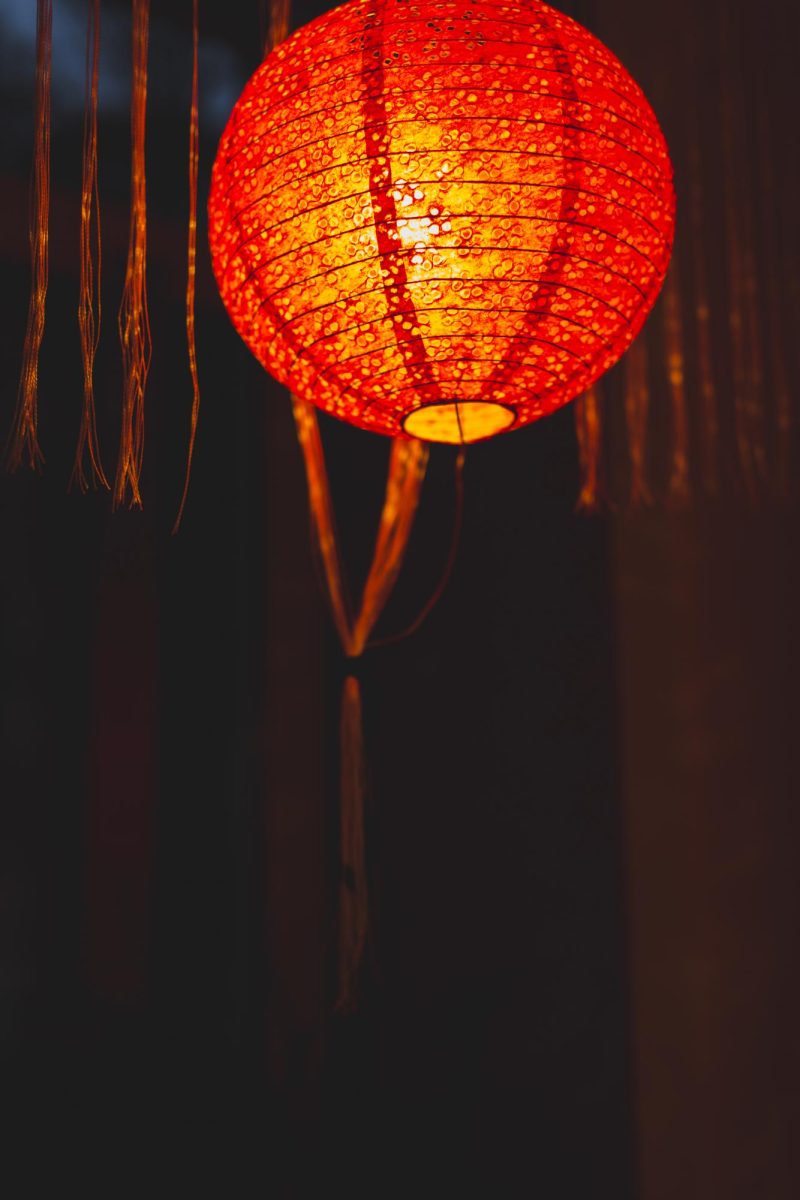
People on social media are declaring themselves to be in a “very Chinese time in their life”. I guess you could say my Chinese phase started at birth?
Recently, it has become a trend on social media to “become Chinese”, where people discover Chinese habits and cultural norms that they find interesting.
Sophomore Tiffany Wen said, “I have mixed reactions. It can be funny or relatable when people are appreciating parts of Chinese culture and spreading awareness, but on the other hand, it can become shallow if people reduce a rich culture into a trend or stereotype.”
When watching the videos, we see that one thing is of particular interest: Wellness habits.
Avoid cold drinks. Drink hot water. The floor is cold. Wear slippers inside the house.
Many on social media are implementing Chinese lifestyle practices and eating traditional Chinese dishes.
Junior Athena Shen said, “Some habits that I’ve had growing up that have become trends include drinking hot water, wearing indoor slippers, eating cooked breakfast, […] and practicing Chinese traditional medicine.”
Many users are making a genuine attempt to understand and explore the culture with respect. I haven’t personally seen any videos that mock or make fun of Chinese culture.
This is seen positively in the eyes of some Chinese Americans, who are embracing the joke and are simply happy their culture is getting recognition.
However, many Chinese individuals are hesitant to support the trend, given the recency of the COVID-19 virus and the Chinese hate crimes that came with it.
Wen said, “It can become harmful when people only focus on the trendy or aesthetic parts of the culture without understanding its deeper meaning or history”.
We simply hope that the interest is sincere and that this leads to lasting appreciation for Chinese culture, and not simply a trend that people forget about in a few days.
Shen said, “The biggest reason that this trend is so controversial is that people are turning my culture into a trend now, but it was shamed literally not even a full decade ago”.
But this trend also raises the question of whether this means America’s views on China specifically have changed.
With the global rise in popularity of K-pop and K-dramas, Korean and Japanese cultures have been glorified. Many Chinese ideas or products have been misidentified as being Korean or Chinese because the media views Korea as “more aesthetic” than China.
Tanghulu, for example, is often misidentified as being from Korea, but actually originates from China.
While trends like these can open the door to cultural appreciation, they also highlight the speed at which public perceptions can shift.
The difference between cultural appreciation and cultural appropriation ultimately comes down to intention and understanding.
Calling it a “phase” when it has been a personal part of someone else’s life can be extremely dismissive, as it reduces someone’s lived experiences into something temporary.
Shen said, “It ignores the real-world experiences and struggles Chinese people have faced, turning our culture into a temporary aesthetic for non-Asians to use whenever they want and to discard when it becomes an inconvenience.”